
Arkansas Rice Leaders Warn of Rising Imports, Economic Strain During Roundtable with Senator Boozman
Board members and staff from Riceland Foods and Producers Rice Mill discussed federal agricultural policy, trade opportunities, and issues affecting rice producers across Arkansas.
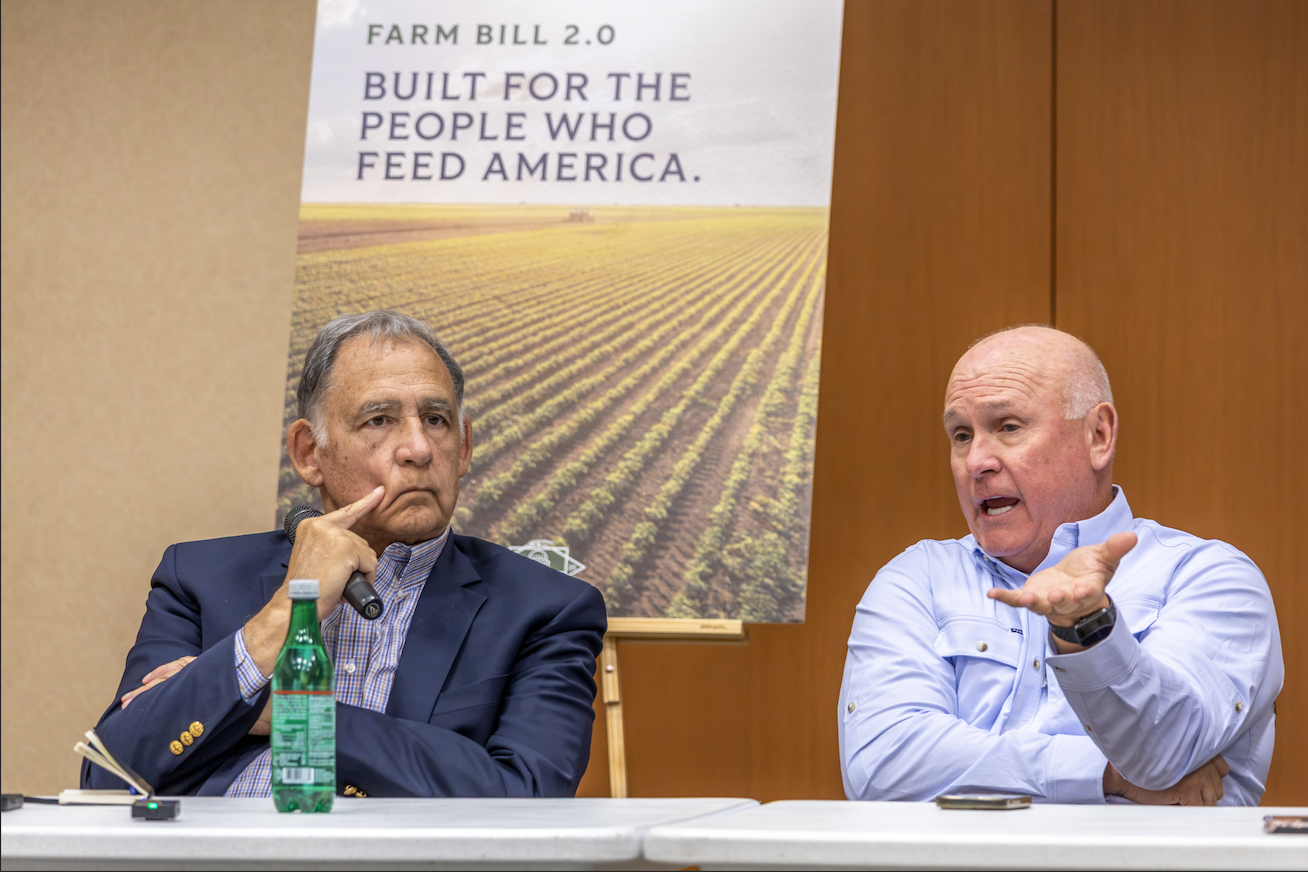
Leaders from Riceland Foods and Producers Rice Mill met Tuesday with Senator John Boozman to discuss mounting economic challenges facing Arkansas rice farmers, including rising imports, weak farm economics, escalating production costs, and the need for stronger federal support to sustain the domestic rice industry and rural communities that depend on it.
Rich Hillman, Riceland’s chairman of the board of directors, thanked Senator Boozman for his work supporting rice farmers and expressed deep concern about current trade policy and how rising imported rice affects Arkansas rice growers.
"The rapid growth of heavily subsidized imported rice in the domestic market is creating an uneven playing field for U.S. rice producers at a time when farmers are already struggling with economic pressures," Hillman said. "Senator Boozman has long supported Arkansas rice farmers, and we appreciate Senator Boozman's commitment to finding solutions that preserve the future of Arkansas rice farming."
Riceland President and CEO Kevin McGilton explained to the Senator and his staff the need for clear signals from the U.S. government that truly support the U.S. rice industry and its future.
"Farmer-owned cooperatives make long-term investments in infrastructure, people, and communities," McGilton said. "To continue making those investments, we need confidence that the United States remains committed to supporting a strong and competitive domestic rice industry."
Arkansas remains the nation's leading rice-producing state, and industry leaders warned that prolonged market pressures threaten the competitiveness of farm families, rice mills, and the rural communities that depend on the industry.
Senator Boozman acknowledged recent progress on agricultural priorities but emphasized that additional action will be necessary to address the challenges facing rice producers.
“The rice industry is incredibly important to Arkansas. I was pleased to visit with industry leaders and producers to discuss challenges farmers are facing. With the lowest number of rice acres planted in the state since the 1970s, it is critical to the future of the industry that we take action,” Boozman said. “We made good progress last year with significant updates to the farm safety net as a part of the Working Families Tax Cuts, and rice producers in Arkansas will begin to receive those improved benefits soon. It’s vital that we get Farm Bill 2.0 and additional economic assistance across the finish line this year and work to expand markets for Natural State farmers, both here at home and abroad.”
Jay Coker, chairman of the board of directors of Producers Rice Mill, thanked Senator Boozman for his efforts to support rice farmers over the years.
“Senator Boozman has supported Arkansas farmers since he took office, and he has worked tirelessly to make sure rice farmers have the support they need,” Coker said. “Rice farmers face rising input costs, milling yield impacts, and threats from imported rice in the domestic market. All of these create a tremendous drag on farmers and the rice industry.”
Producers Rice Mill CEO Keith Glover asked for action to stem the influx of imported rice into the U.S. and protect the domestic market.
“I’ve been hopeful to see the Trump Administration launch a Section 301 investigation for rice,” Glover said. “If something isn’t done to slow imports, you will see a huge change in infrastructure in the future. It’s scary.”
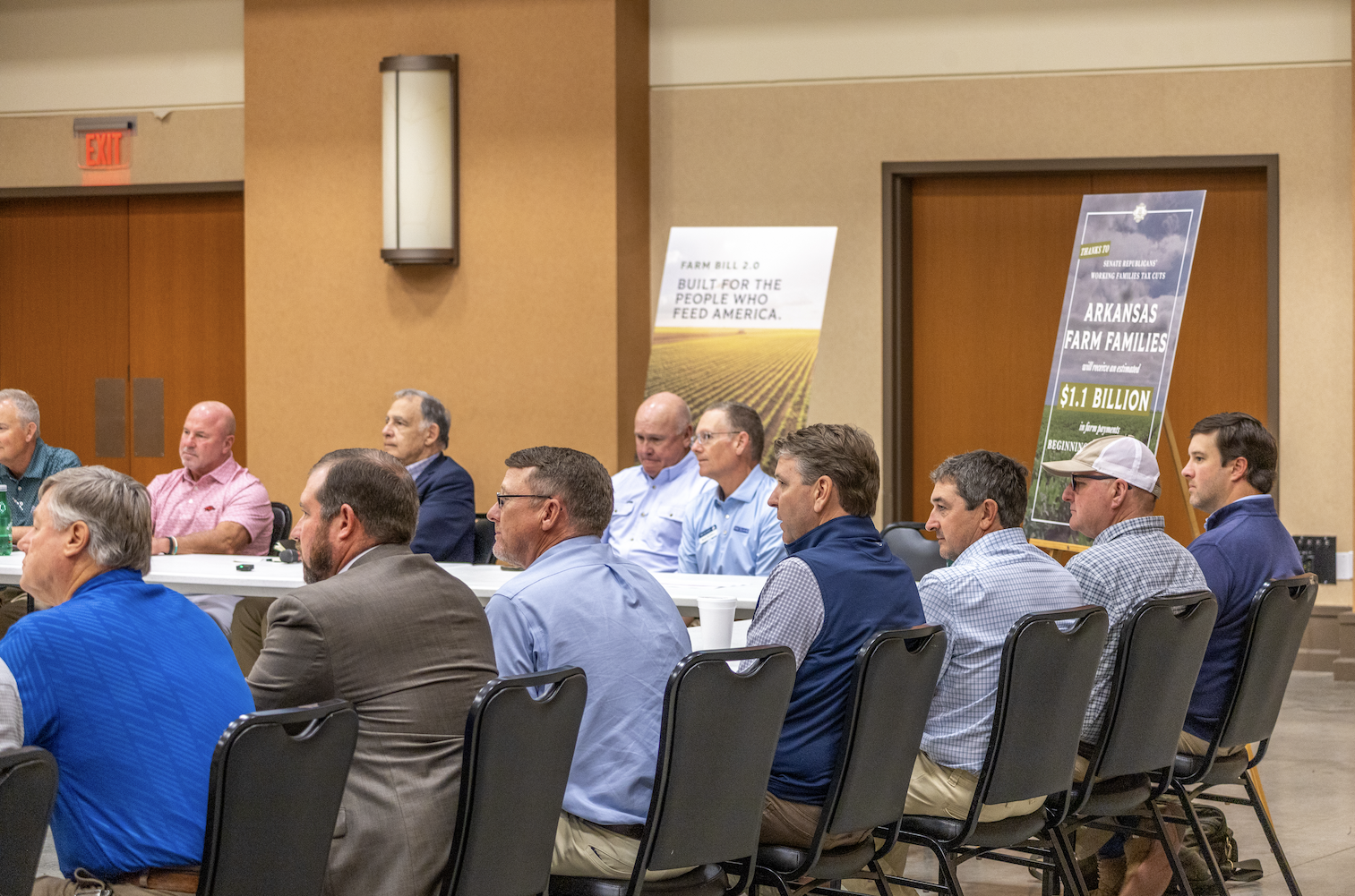
During the more than two-hour discussion, cooperative leaders outlined key challenges facing the rice industry and urged policymakers to pursue solutions that strengthen the competitiveness of U.S. rice producers. The meeting marked the second joint engagement this year between the cooperatives and Arkansas' congressional delegation, following an August discussion with Congressman Rick Crawford.
Leaders from both cooperatives pledged to continue working with federal policymakers to advance solutions that strengthen the U.S. rice industry, support farm families, and preserve Arkansas' position as the nation's leading rice-producing state.


Other News
Get the latest cooperative news from the Riceland team.

Board members and staff from Riceland Foods and Producers Rice Mill heard updates on federal agricultural policy, trade opportunities, and issues affecting rice producers across Arkansas’s First Congressional District
